4 Punjabi Autobiographies Worth Reading | Writers in Their Own Words
Updated: Oct 4
Some reading lists become weak because they try to force ten books into a topic that only needs four. I would rather recommend four Punjabi autobiographies that genuinely feel different from one another than pad the list with books that belong there only by category label.
ਇਨ੍ਹਾਂ ਚਾਰਾਂ ਵਿੱਚ ਇੱਕੋ ਜਿਹੀ “ਮੇਰੀ ਜ਼ਿੰਦਗੀ ਦੀ ਕਹਾਣੀ” ਨਹੀਂ ਮਿਲਦੀ। ਅੰਮ੍ਰਿਤਾ ਪ੍ਰੀਤਮ ਯਾਦ ਅਤੇ ਜਜ਼ਬਾਤ ਰਾਹੀਂ ਲਿਖਦੀ ਹੈ; ਨਾਨਕ ਸਿੰਘ ਅਤੇ ਅਣਖੀ ਦੇ ਜੀਵਨ ਨਾਲ ਉਨ੍ਹਾਂ ਦਾ ਸਾਹਿਤਕ ਸੰਸਾਰ ਖੁਲ੍ਹਦਾ ਹੈ; ਸੀਤਲ ਦੀ ਆਪਬੀਤੀ ਨਾਲ ਲੇਖਕ, ਢਾਡੀ ਅਤੇ ਇਤਿਹਾਸਕਾਰ—ਤਿੰਨੇ ਪੱਖ ਇਕੱਠੇ ਦਿਖਦੇ ਹਨ।
4 Punjabi Autobiographies Worth Reading
1. Raseedi Ticket (ਰਸੀਦੀ ਟਿਕਟ) — Amrita Pritam

The most literary book on this list. Raseedi Ticket does not behave like a neat year-by-year life story; memory, relationships, Partition, writing and emotion move in and out of one another. If you prefer memoir that feels close to poetry, start here. If you need strict chronology, know in advance that this book is deliberately more impressionistic.
2. Meri Duniya (ਮੇਰੀ ਦੁਨੀਆ) — Nanak Singh

Read this after at least one Nanak Singh novel. His autobiography brings together poverty, struggle, social awareness and the development of a literary life, so the fiction begins to look different once you know what stood behind it. It is especially rewarding for readers interested in the making of a Punjabi writer rather than celebrity memoir.
3. Malhe Jharian (ਮਲ੍ਹੇ ਝਾੜੀਆਂ) — Ram Saroop Ankhi

This is the autobiography for readers who love Ankhi because of his rural world. Personal memory becomes a way of seeing village Punjab, social change, struggle and the path toward a writing life. The pleasure is partly biographical and partly documentary: you are watching a writer remember the world that later fed his fiction.
4. Vekhi Maani Duniya (ਵੇਖੀ ਮਾਣੀ ਦੁਨੀਆਂ) — Sohan Singh Seetal
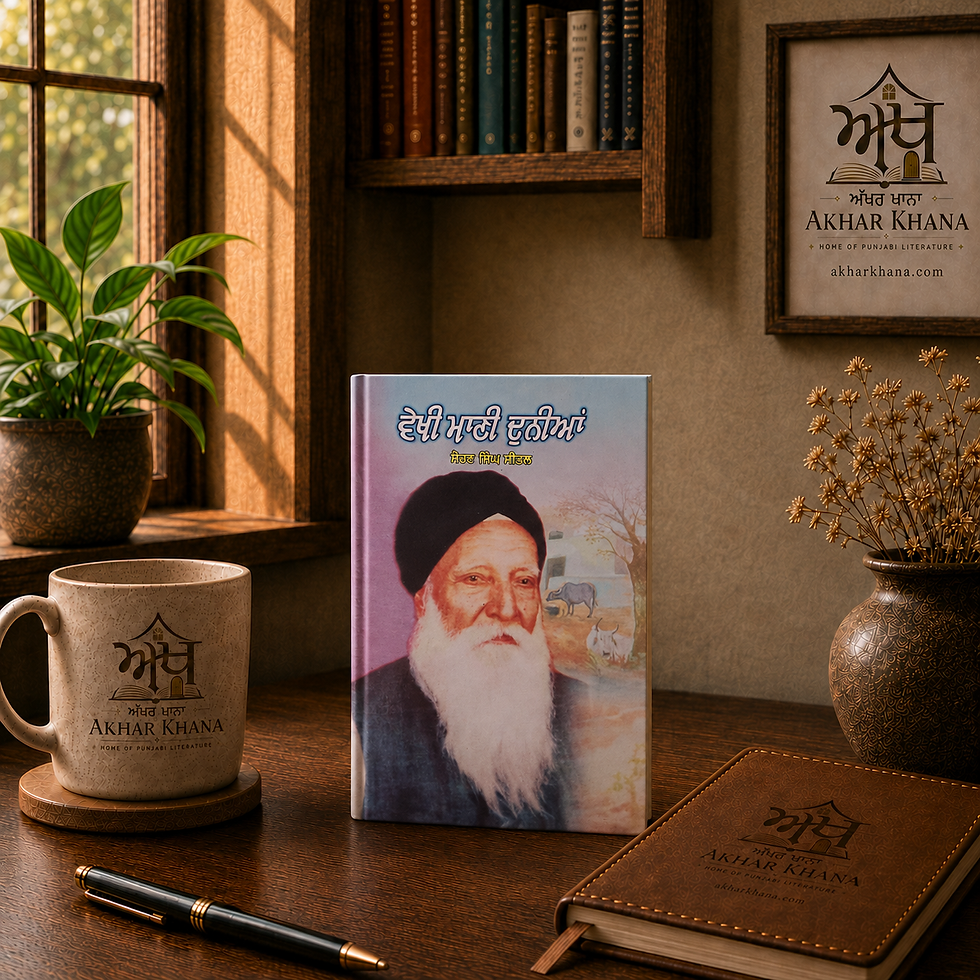
Seetal’s life crosses literature, dhadi tradition and historical writing, so this memoir has a wider cultural angle than a purely private autobiography. Pick it if you enjoy life stories that also carry the texture of an era, institutions, audiences and changing Punjabi public culture.
Which One Should You Pick First?
For lyrical, intimate memoir: Raseedi Ticket. For a major novelist’s life: Meri Duniya. For rural Punjab and a writer’s formation: Malhe Jharian. For literature, performance and historical memory together: Vekhi Maani Duniya.
Why Autobiographies Are Useful Reading Guides Too
A writer’s autobiography is not an objective biography—and that is part of the point. You are reading what the person chose to remember, emphasise, defend or leave unsaid. When paired with their novels, poetry or historical writing, that subjectivity can make the rest of their work much more interesting.
Frequently Asked Questions
Which Punjabi autobiography is best for beginners?
Raseedi Ticket is short and highly readable if you enjoy lyrical prose. Meri Duniya is a better first choice if your main interest is Punjabi literary history and Nanak Singh.
Is Raseedi Ticket written in chronological order?
Not strictly. It is shaped through memory, relationships, experiences and reflection rather than a simple year-by-year timeline.
Which autobiography should I read if I like Ram Saroop Ankhi novels?
Malhe Jharian is the natural choice because it connects Ankhi’s own life and rural background with the social world readers recognise in his fiction.
Build a Wider Punjabi Reading List
What to read after Raseedi Ticket
Continue with Pinjar for fiction, Main Tenu Phir Milangi for poetry or Dastavez for letters. Our author guide explains the differences.